


Crosslinking agent TAIC
It is a key additive for modifying many special rubbers and thermoplastics
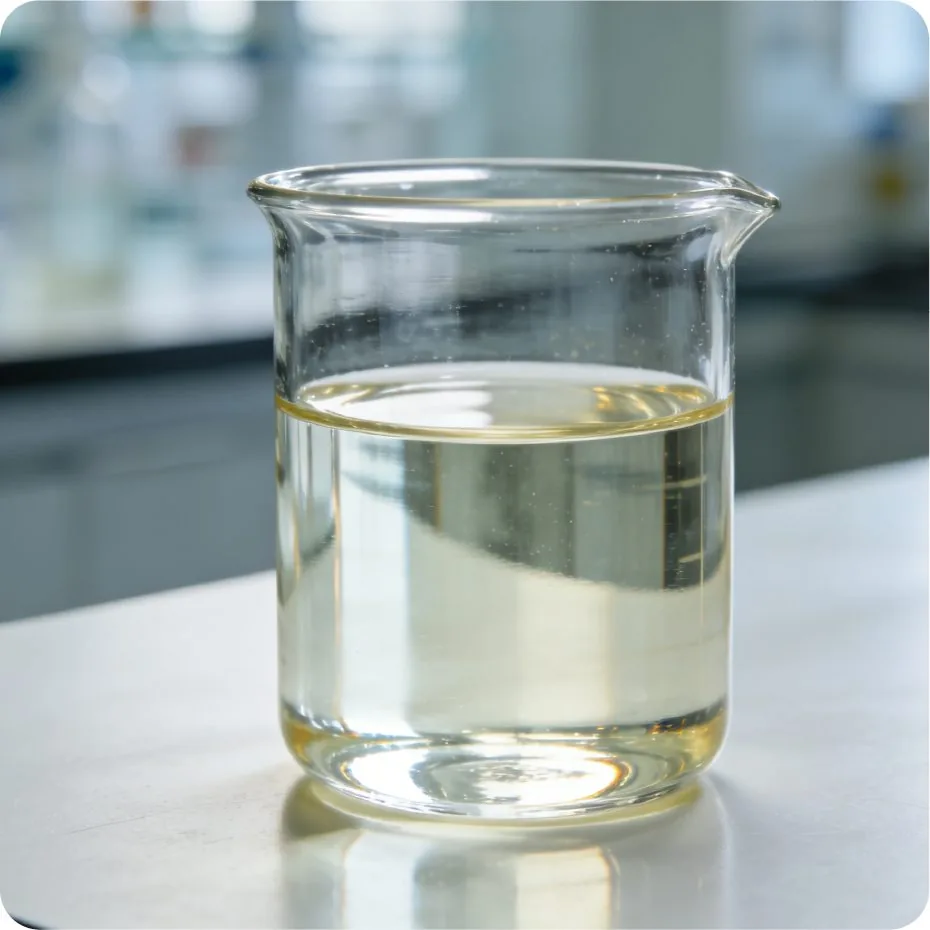
Key Information
TAIC (triallyl isocyanurate) is a co-agent (synergist) in peroxide curing systems. Used alone its effect is limited, but when combined with peroxides such as DCP and BIPB it markedly improves crosslinking efficiency and product performance. It is a key additive for modifying many specialty rubbers and thermoplastics.
Basic properties and dosage reference
- Synonyms: triallyl isocyanurate
- Appearance: usually a pale yellow liquid or crystalline solid at room temperature
- Typical dosage: as a co-curing agent, normally 0.5–4 phr (per 100 parts of rubber)
- Our powder grade contains 70% TAIC. It offers high flowability and dispersibility, imparts superior performance to the finished product, and is convenient to transport and use.
Core functions and mechanism
TAIC works because of its trifunctional structure (three allyl groups):
- Higher crosslink density: it grafts and co-crosslinks with rubber molecules, forming “active bridges” that make the vulcanized network denser. Studies show that as the TAIC dosage increases (for example in fluoroelastomer), crosslink density increases accordingly.
- Faster cure rate: it shortens the optimum cure time and raises production efficiency. It has been proven to increase the cure rate in both EPDM and fluoroelastomer.
- Improved processing safety: it extends scorch time to a certain extent and prevents premature vulcanization of the compound during processing.
Typical applications
- Co-curing of specialty rubbers: widely used in EPDM, fluoroelastomer, silicone rubber, CPE and others. In fluoroelastomer, for example, a TAIC dosage of 5 phr gives the vulcanizate good overall performance. In silicone rubber it also improves tear resistance (up to 41.5 kN/m).
- Crosslinking of thermoplastics: used for the thermal and radiation crosslinking of polyethylene, PVC, EVA and other plastics. It significantly improves heat resistance, solvent resistance and mechanical strength, while giving the finished product a lower odor.
- Other applications: as a crosslinker for ion-exchange resins and a modifier for unsaturated polyester FRP (heat resistance can exceed 200 °C).
Related Products
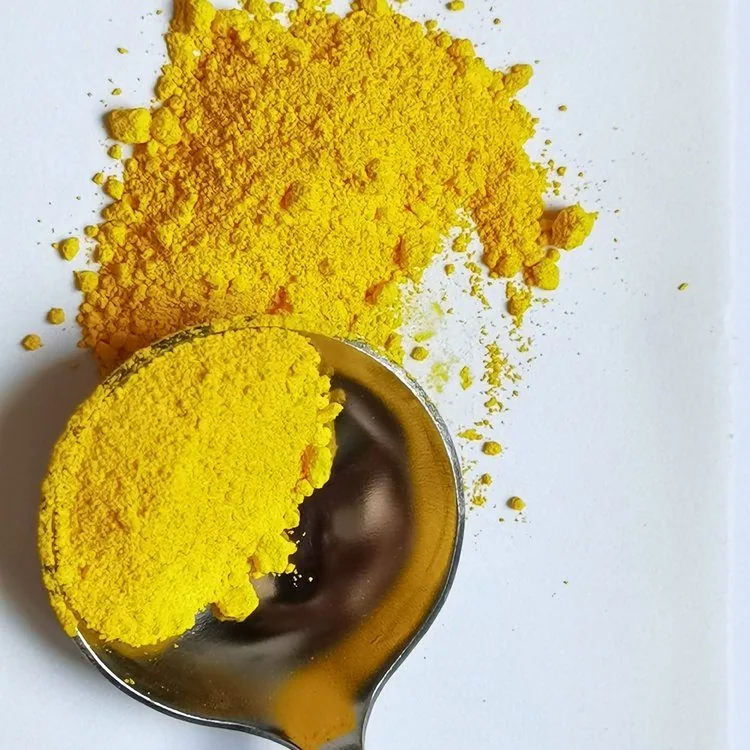
Accelerator PDM
The biggest feature is its comprehensive functionality, which can play different roles in the rubber
Crosslinking agent TAIC
It is a key additive for modifying many special rubbers and thermoplastics
Vulcanizing agent VC-01
Specially used as a vulcanization crosslinking agent for chlorine containing thermoplastic elastomer
Accelerator DETU
DETU (diethylthiourea) is a thiourea based rubber vulcanizing accelerator commonly regarded as an up
Vulcanizing agent BIPB
Specially designed to solve the pain points of strong odor and easy frosting of traditional vulcaniz
Flame retardant - DL-35
Mainly used as a substitute for antimony trioxide, for flame retardancy of various rubber materials


Tell us your rubber type and application.
We will recommend a suitable formulation direction.