

Chlorinated polyethylene CPE
CPE is a saturated chlorine containing elastomer obtained by chlorination modification of high-density polyethylene
Key Information
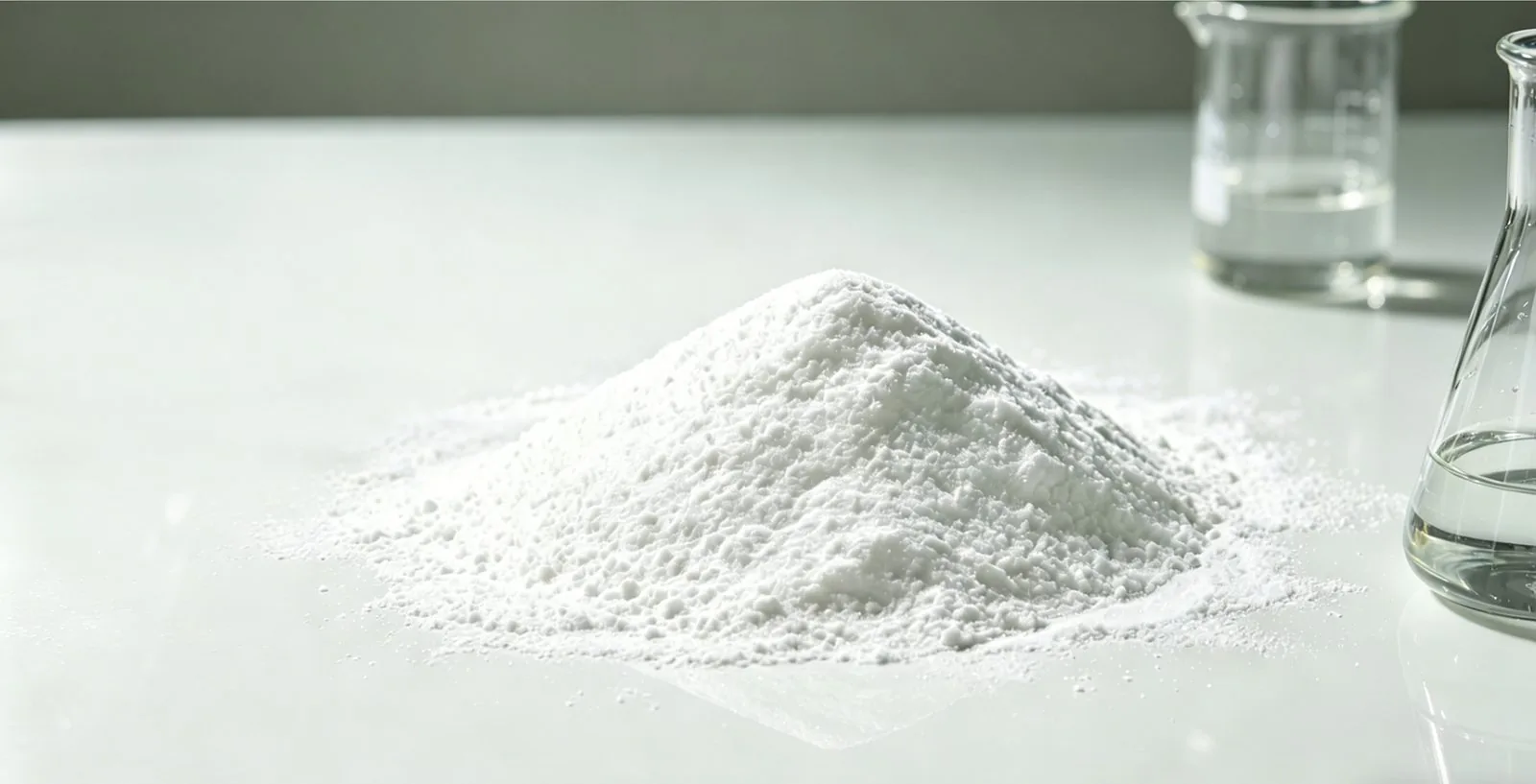
Chlorinated polyethylene (CPE) resin is a new type of synthetic material with a series of excellent properties. It is an excellent impact modifier for PVC plastics. Certain grades of CPE are used as modifiers for polyvinyl chloride (PVC) compounds to improve their flexibility, toughness (especially low-temperature toughness), formulation flexibility, and processability. [5-6] It is also a synthetic rubber with good overall performance and an extremely wide range of applications, and has been widely used in products such as cables, wires, rubber hoses, rubberized fabrics, rubber-plastic products, sealing materials, flame-retardant conveyor belts, waterproof membranes, films, and various profiled materials. CPE can also be blended with polypropylene, high/low-density polyethylene, ABS, and other resins to improve the flame retardancy, aging resistance, and printability of these plastics.
CPE can be regarded as a random copolymer of ethylene, polyethylene, and 1,2-dichloroethylene. Its molecular chain is saturated and the polar chlorine atoms are randomly distributed, giving it excellent physical and chemical properties that make it widely used in the machinery, electric power, chemical, building materials, and mining industries. CPE is superior to most rubbers in heat resistance, ozone resistance, weather resistance, and aging resistance; its oil resistance is better than that of nitrile rubber (NBR) and chloroprene rubber (CR); and its aging resistance is better than that of chlorosulfonated polyethylene (CSM). It resists corrosion from acids, alkalis, and salts; it is non-toxic, flame-retardant, and free of explosion hazard.
Main applications: wire and cable (mining cables, wires specified in UL and VDE standards), hydraulic hoses, automotive hoses, rubber belts, rubber sheets, modification of PVC profiles and pipes, magnetic materials, ABS modification, and so on.
Storage: Keep the container sealed, place it in a tightly closed container, and store in a cool, dry place.
Compounding
Reinforcing / Filler System
CPE is a non-self-reinforcing rubber and requires a reinforcing system to achieve good strength. Its reinforcing/filler system is similar to that of general-purpose rubbers. The reinforcing agents are mainly carbon black and silica (white carbon black). Silica can improve the tear resistance of CPE and can also form an "RFS (resorcinol-formaldehyde-silica)" system to improve the adhesion between CPE and the skeleton. CPE has high filler-loading capacity; the filler system mainly consists of calcium carbonate, talc powder, and clay.
Plasticizer System
Ester plasticizers and aromatic hydrocarbon plasticizers are the most commonly used plasticizers for CPE, such as dioctyl terephthalate (DOTP), dioctyl adipate (DOA), and aromatic oils. Their solubility parameters are close to that of CM, giving good compatibility. Dioctyl phthalate (DOP) has been discontinued for environmental reasons. DOA and DOS, when used in rubber compounds, impart excellent cold resistance; DOS is very suitable for applications requiring both heat resistance and low-temperature resistance.
Stabilization / Protection System
When CPE is heated or during vulcanization (non-peroxide curing systems), hydrogen chloride is released; therefore, stabilizers with processing-stabilizing effect must be used in the formulation, such as CA2500, tribasic lead sulfate, or magnesium oxide.
Curing System
CPE is a saturated rubber and cannot be effectively cured by the ordinary sulfur curing system used for general-purpose rubbers.
Curing systems are divided into four major types: (1) thiourea system, (2) peroxide system, (3) thiadiazole system, and (4) triazole dimercaptoamine salt system.
- Thiourea system. The earliest CPE curing system used in practice was the thiourea system, of which the most effective is Na-22. However, Na-22 cures slowly, has poor aging performance and very high compression set, and is a serious carcinogen that produces an unpleasant odor during curing, so its use has been restricted.
- Peroxide curing system. The most mature CM curing system currently in use is the peroxide curing system, which cures relatively fast, gives good physical properties, and produces low compression set. The peroxide system can be used for the production of rubber belts with good physical properties, heat resistance, and oil resistance. When this system is compounded, adding co-agents such as TAIC, TAC, TMPTM, and HVA-2 can significantly improve the physical and mechanical properties and heat resistance. Because peroxides generate crosslinks via free-radical reactions, some acidic fillers will affect the generation of free radicals, so such fillers should not be used. However, peroxides are not suitable for moldless curing under relatively low pressure and have high process requirements, making them difficult to apply in most rubber product processes.
- Curing agent VC-01. VC-01 is a crystalline CPE-specific curing agent that is non-toxic. Cheap aromatic oil can be used as the plasticizer, and the vulcanizate has excellent properties. The activity of MgO has little influence on the physical and aging properties of VC-01-system vulcanizates. Ultrafine Mg(OH)2 used as the acid acceptor is equivalent to high-activity magnesium oxide with an iodine adsorption value of 150, and can replace expensive imported high-activity magnesium oxide, greatly reducing manufacturing cost.
- The application cost is much lower than that of the foreign thiadiazole system. It is suitable for various curing processes, including lower-temperature, moldless, pressureless low-pressure curing. This system cures relatively fast, and the vulcanizate has excellent physical properties, low compression set, and good resistance to thermal-oxidative and ozone aging and to oil. It is also an effective co-curing system between CPE and diene rubbers, and has been successfully applied in the hose industry. VC-01 cures more slowly than peroxide, but can cure under low-temperature, pressureless, moldless conditions, and the vulcanizate has excellent properties.
- Triazole dimercaptoamine salt system. The triazole dimercaptoamine salt curing agent is a single substance that integrates the effective groups of the thiadiazole curing agent and the accelerator (n-butyraldehyde-aniline condensate). It overcomes the drawback of irregular bond distribution after the thiadiazole and accelerator crosslink the rubber, making the crosslinked rubber a stable structure. Compared with the thiadiazole system, this salt also changes the pH of the system from strongly acidic to neutral through the introduction of special groups, eliminating the adverse effect of acidic fillers on the system and giving the rubber greater chemical reactivity during crosslinking. Therefore, CPE rubber crosslinked by this system shows a qualitative improvement in both physical and chemical properties. It can use aromatic oil, magnesium oxide, and magnesium hydroxide as raw materials, is suitable for low-temperature, pressureless, low-pressure curing conditions, cures fast (faster than thiadiazole), requires a small addition level (2 phr), is inexpensive per unit, does not decompose within the curing temperature range, produces no odor, and is environmentally friendly and non-toxic.
Related Products
Chlorinated polyvinyl chloride CPVC
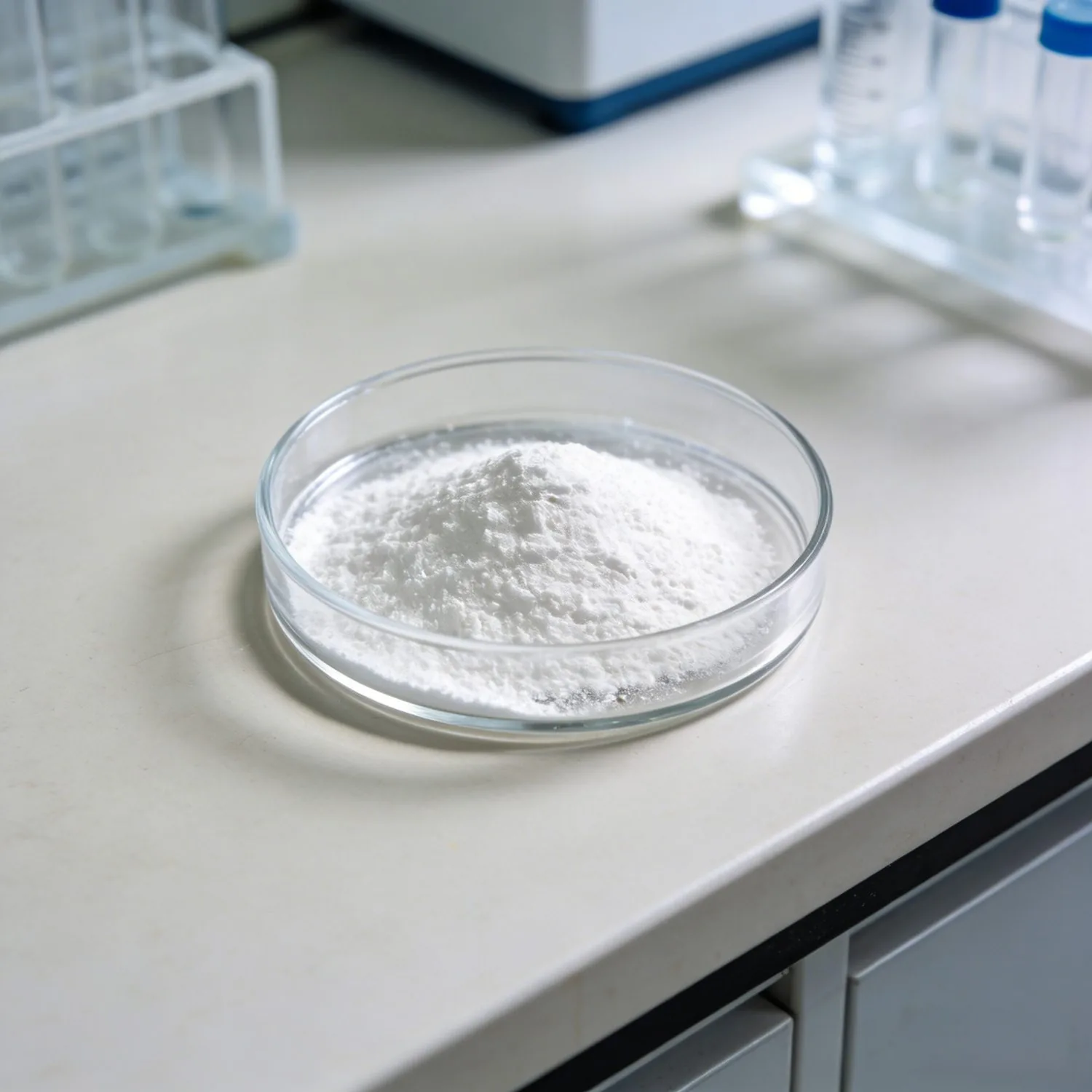
CPVC is further chlorinated from PVC and belongs to high-performance rigid thermoplastic
Chlorinated polyethylene CPE
CPE is a saturated chlorine containing elastomer obtained by chlorination modification of high-densi
Chlorosulfonated polyethylene CSM
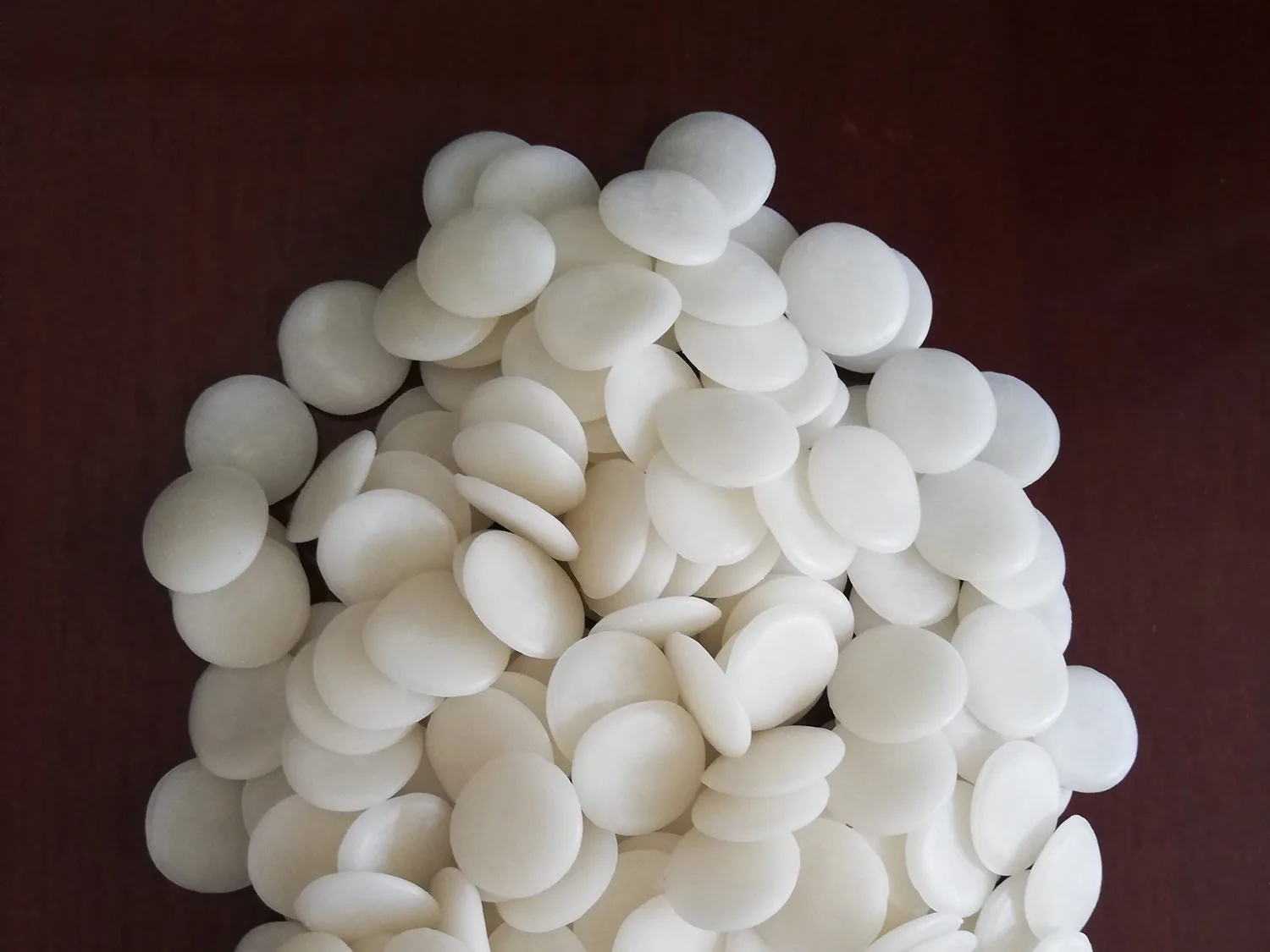
CSM is a special saturated rubber prepared by chlorination and chlorosulfonation reaction of polyeth


Tell us your rubber type and application.
We will recommend a suitable formulation direction.