


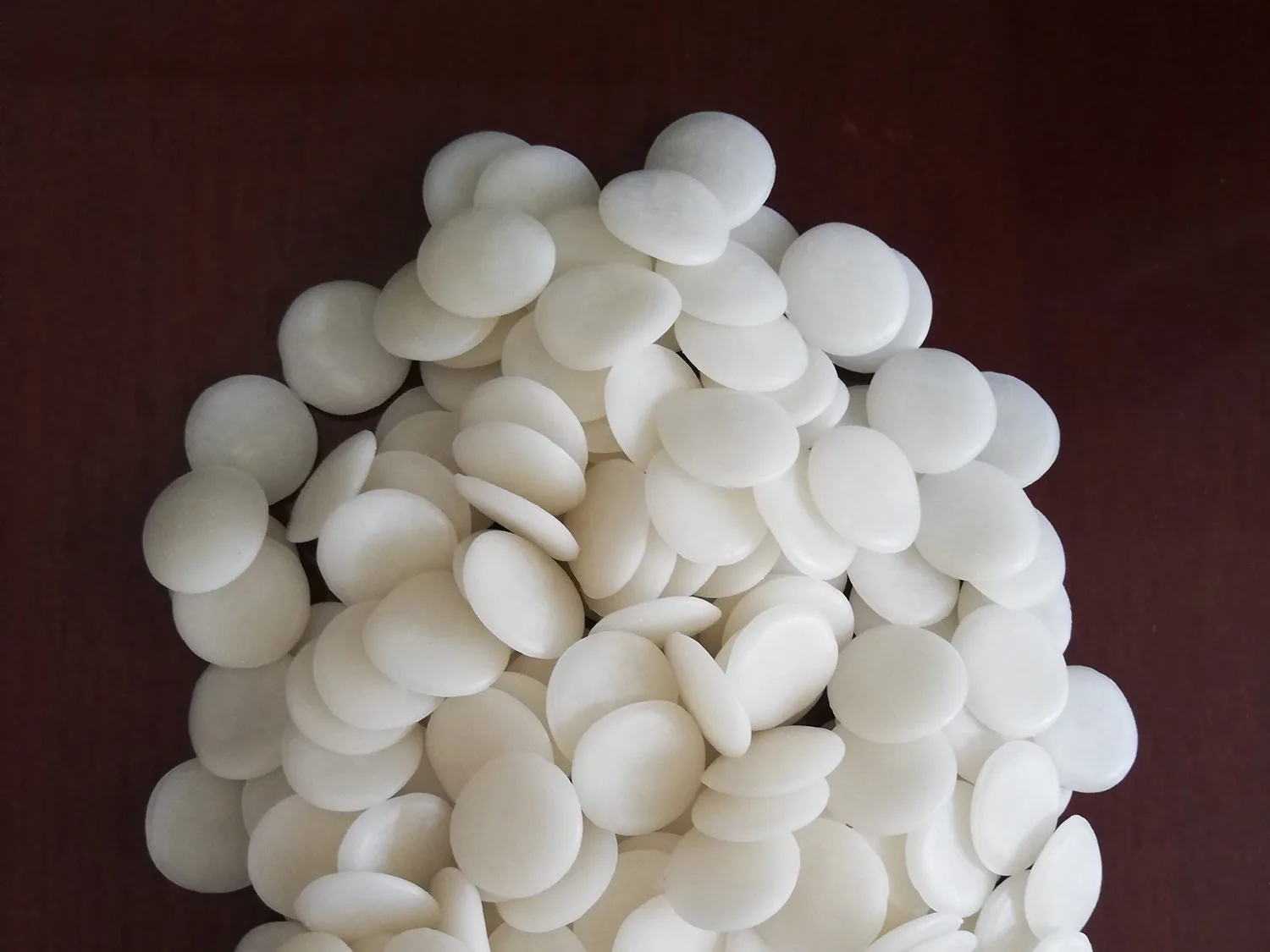
Chlorosulfonated polyethylene CSM
CSM is a special saturated rubber prepared by chlorination and chlorosulfonation reaction of polyethylene
Key Information
A member of the chlorinated polymer family — chlorosulfonated polyethylene (CSM) is a high-performance specialty rubber produced by the chlorination and chlorosulfonation of polyethylene. If CPVC is the "upgraded version" of plastics, then CSM is the "all-round player" among rubbers, renowned for its extreme weather resistance, aging resistance, and chemical corrosion resistance. Its commercial name "Hypalon" is better known in the industry.
Core Advantages
- Superior weather and ozone resistance: The main chain is fully saturated, making it almost "immune" to ozone, ultraviolet light, and extreme weather — one of the first-choice rubbers for long-term outdoor use.
- Excellent chemical corrosion resistance: It withstands strong acids, strong alkalis, and oxidizers, performing outstandingly in chemical environments.
- Good overall physical properties: It combines heat resistance (−20°C to 120°C), flame retardancy (self-extinguishing when removed from flame), abrasion resistance, and electrical insulation. The best overall performance is achieved at a chlorine content of about 27% and a sulfur content of 1.5%.
- Outstanding abrasion resistance: Rubber rolls wear easily during high-speed operation; the abrasion resistance of CSM is several times higher than that of ordinary natural rubber, significantly extending service life. In textile rubber rolls, it is often blended with nitrile rubber to further improve oil resistance and anti-lapping performance.
- Heat and aging resistance: Whether it is the high temperature of metallurgical production lines or outdoor sun and rain, CSM's heat resistance and ozone-aging resistance are excellent; its practical operating temperature range can reach −40°C to +150°C.
- Good processability and adhesion: With specific formulations, CSM can achieve high-strength bonding with metal cores, ensuring that rubber rolls do not delaminate under high load.
- Good processability and adhesion: With specific formulations, CSM can achieve high-strength bonding with metal cores, ensuring no delamination under high load.
- Adjustable color: Unlike most rubbers that require carbon black reinforcement, it can be made in various bright colors.
Main Applications
- Automotive industry: This is the largest application area. It is used to manufacture key components such as oil- and heat-resistant fuel hoses, turbocharger hoses, and spark plug boots.
- Industrial anticorrosive coatings: Type-30 CSM is often used to formulate heavy-duty anticorrosive coatings applied to chemical plant equipment, storage tanks, and steel structures to resist corrosion in harsh environments.
- Wire and cable sheathing: Its flame retardancy and insulation are used to make the sheath layer of high-voltage cables and mining cables, especially suitable for applications with high safety requirements.
- Specialty rubber products: Including industrial hoses resistant to chemical media, abrasion-resistant conveyor belts, seals, and outdoor waterproof membranes.
- Rubber rolls: Chlorosulfonated polyethylene (CSM) is indeed an ideal covering material. It is widely used in industries with stringent rubber-roll performance requirements, such as metallurgy, textiles, and printing.
Related Products
Chlorinated polyvinyl chloride CPVC
CPVC is further chlorinated from PVC and belongs to high-performance rigid thermoplastic
Chlorinated polyethylene CPE
CPE is a saturated chlorine containing elastomer obtained by chlorination modification of high-densi
Chlorosulfonated polyethylene CSM
CSM is a special saturated rubber prepared by chlorination and chlorosulfonation reaction of polyeth


Tell us your rubber type and application.
We will recommend a suitable formulation direction.