


Chlorinated polyvinyl chloride CPVC
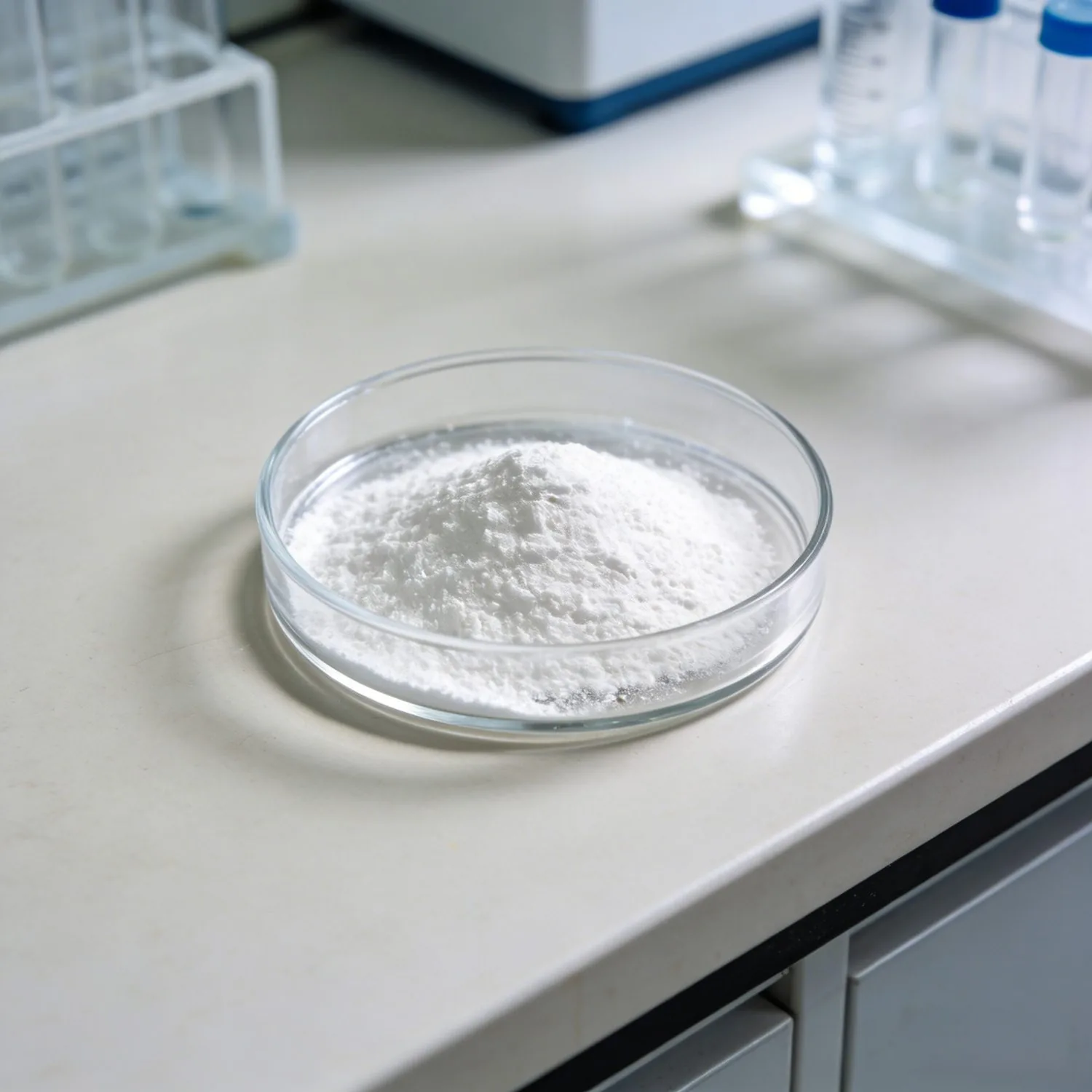
CPVC is further chlorinated from PVC and belongs to high-performance rigid thermoplastic
Key Information
An important member of the chlorinated polymer family — CPVC (chlorinated polyvinyl chloride) can be regarded as an "upgraded version" of ordinary PVC. Through further chlorination, it raises PVC's core properties — heat resistance, corrosion resistance, and flame retardancy — to a higher level, and is therefore mainly used in industrial, fire-protection, and hot-water applications that demand higher safety and durability.
Its core "capabilities" are mainly reflected in the following aspects:
- High temperature resistance: The long-term service temperature is as high as 95°C, and can reach up to 110°C — more than 10–40°C higher than ordinary PVC — giving it a huge advantage in hot-water and high-temperature industrial environments.
- High strength: Tensile strength is 50% higher than PVC, and about 2 times that of PP and ABS resins. It retains rigidity at high temperatures and is not easily deformed.
- Corrosion resistance: It resists attack from strong acids, strong alkalis, salt spray, and oxidizers, and can even handle highly corrosive scenarios such as conveying wet chlorine gas in chlor-alkali plants.
- Excellent flame retardancy: Its limiting oxygen index is as high as 60% (the oxygen content of air is about 21%). It does not burn easily when exposed to flame and self-extinguishes when removed from the flame, releasing very little smoke and toxic gas — an ideal material for the fire-protection field.
- Hygienic and lightweight: Its inner wall is smooth and does not readily breed bacteria, and it is not decomposed by residual chlorine in water. Its weight is about 1/5 that of steel, its thermal conductivity is extremely low, and it is easy to install and generally requires no insulation.
Core applications:
- Industrial piping systems: This is the most mature application. It conveys high-temperature chemical liquids, industrial wastewater, electroplating solutions, etc., and is common in chemical, metallurgical, and electroplating plants.
- Fire sprinkler systems: Thanks to its outstanding flame retardancy and heat resistance, it can maintain pipe integrity in the early stage of a fire, and is used in automatic sprinkler systems in buildings such as shopping malls and hotels.
- Hot and cold water conveyance: It can be used in hot- and cold-water systems of buildings such as hotels and hospitals that require reliable heat-resistant piping.
- Power cable sheathing: Its heat resistance and electrical insulation are used to protect high-voltage power cables against cable heating and external environmental erosion.
- Other high-end fields: Including processing into chemical valves and packing, serving as base materials for specialty fibers and microporous membranes, and even as a carbon fiber precursor.
Related Products
Chlorinated polyvinyl chloride CPVC
CPVC is further chlorinated from PVC and belongs to high-performance rigid thermoplastic
Chlorinated polyethylene CPE
CPE is a saturated chlorine containing elastomer obtained by chlorination modification of high-densi
Chlorosulfonated polyethylene CSM
CSM is a special saturated rubber prepared by chlorination and chlorosulfonation reaction of polyeth


Tell us your rubber type and application.
We will recommend a suitable formulation direction.